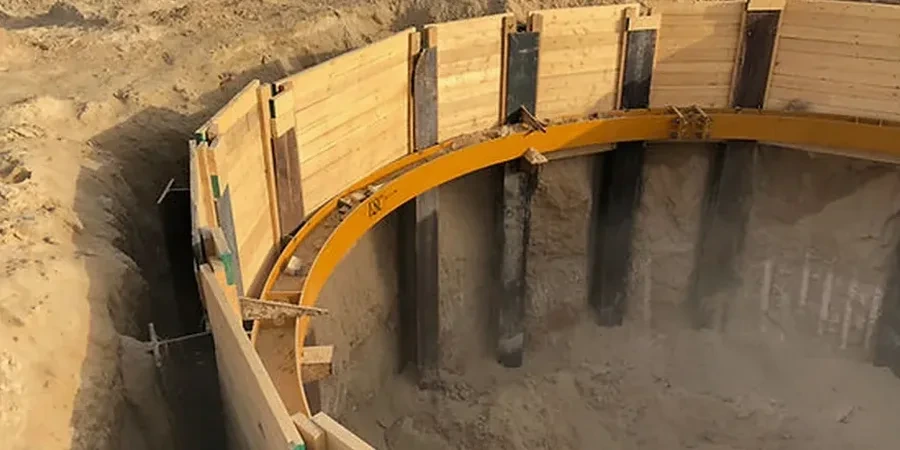
Foundation engineering in Garden Grove, California, encompasses the comprehensive analysis, design, and construction oversight of structural support systems that transfer building loads to the underlying ground. This category covers critical services ranging from shallow spread footings to deep pile systems, all tailored to the unique subsurface conditions of the region. In a city situated within the seismically active Los Angeles Basin, the integrity of a foundation is not merely a structural concern but a matter of public safety and long-term property resilience. The local soil profile, often characterized by layers of alluvial deposits, silts, and clays, demands a rigorous geotechnical approach to mitigate risks such as excessive settlement and bearing capacity failure. For property owners and developers, engaging a specialized foundation engineer ensures that new constructions and retrofits alike are grounded in a thorough understanding of the site-specific geotechnical hazards prevalent in this part of Orange County.
The geology beneath Garden Grove is a complex legacy of the Santa Ana River floodplain, resulting in predominantly Quaternary alluvium soils. These soils can vary dramatically over short distances, often including loose sands, compressible silts, and expansive clays that are highly sensitive to moisture changes. This variability is the primary driver behind the need for specialized services like differential settlement analysis, which predicts how different parts of a structure may settle unevenly and cause cracking or distress. The region's high water table in certain areas further complicates foundation design, as saturated sandy soils are prone to liquefaction during a seismic event. A deep understanding of these local geological quirks is essential for selecting the appropriate foundation type—whether a rigid system to bridge over soft spots or a deep foundation that bypasses problematic strata entirely to bear on competent material.
The regulatory framework governing foundation design in Garden Grove is anchored in the California Building Code (CBC), which adopts and amends the International Building Code (IBC) with stringent seismic provisions. All geotechnical investigations and foundation designs must comply with CBC Chapter 18, which mandates site-specific soil reports and defines parameters for allowable bearing pressure and settlement. Given the city's location in Seismic Design Category D, adherence to the rigorous standards set by the American Society of Civil Engineers (ASCE 7) for seismic loading is non-negotiable. A service such as seismic foundation design is critical to navigate these codes, ensuring that foundations can withstand the lateral forces and ground accelerations expected from the nearby Newport-Inglewood and Whittier fault zones. These regulations require a licensed engineer to stamp and oversee all foundation plans, making the process a formalized intersection of science, law, and public policy.
A wide spectrum of construction projects in Garden Grove necessitates sophisticated foundation engineering. Large commercial developments and multi-story mixed-use buildings frequently require deep foundation solutions, such as those provided by a pile foundation design specialist, to reach stable strata below weak surface soils. For smaller commercial structures or residential additions on poor soil, a raft/mat foundation design offers a robust alternative by spreading loads over a large area to minimize settlement. Industrial facilities with heavy equipment and vibration-sensitive installations demand precise dynamic analysis, while retrofitting older masonry buildings for earthquake resilience is a constant municipal priority. The selection between foundation types, such as a driven pile system versus a bored cast-in-place pile, is a nuanced decision that hinges on a detailed analysis of pile skin friction versus end bearing capacity, a critical evaluation that optimizes both performance and constructability.
Key indicators include diagonal cracks in interior and exterior walls, particularly above doors and windows, sticking or misaligned doors and windows, uneven or sloping floors, and gaps forming between walls and ceilings or floors. In Garden Grove's expansive clay soils, these signs often appear after heavy rain or drought cycles, signaling differential settlement or heaving that requires immediate professional evaluation.
The local alluvial soils often contain layers of loose sand, soft silt, and expansive clay near the surface, which may have inadequate bearing capacity or high settlement potential. When these weak layers are within 5 to 10 feet of the surface, a shallow foundation like a stiffened mat slab might be feasible. If the weak soils extend deeper or liquefaction is a risk, a deep pile foundation is necessary to transfer loads to a stable, deeper stratum.
Yes, the California Building Code (CBC), specifically Chapter 18, mandates a site-specific geotechnical investigation and report for nearly all new construction and significant additions. This report provides the essential design parameters—such as allowable bearing capacity, anticipated settlement, and seismic site class—that the structural engineer uses to design a code-compliant foundation, making it a non-negotiable first step in the process.
The process begins with a geotechnical investigation to classify the soil profile and seismic site class. The design must then comply with CBC and ASCE 7 standards for Seismic Design Category D, analyzing the foundation for lateral spreading, liquefaction, and dynamic lateral earth pressures. The structural system, whether a shallow or deep foundation, is designed to be ductile and resist overturning, with continuous load paths to safely dissipate seismic energy.